
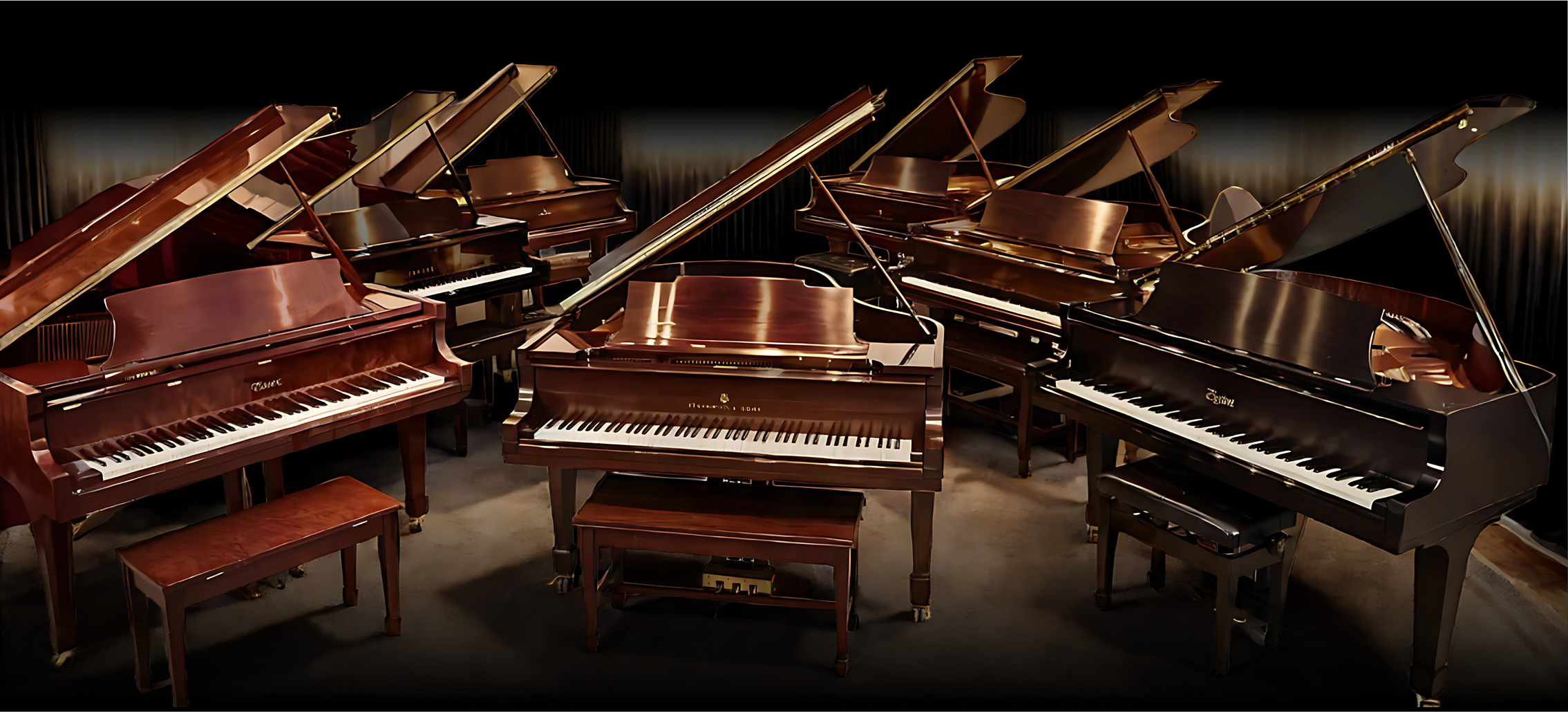

A piano is a finely engineered musical instrument—beautiful, complex, and sensitive to its environment. But like any instrument with thousands of moving parts, issues can develop over time. The good news? Most problems start small and are easy to fix if caught early. Knowing what to look for can save you money, extend your piano’s lifespan, and keep it sounding its best.
Here’s a guide to the most common piano problems and the early warning signs every piano owner should know.
1. Piano Won’t Stay in Tune
What causes it:
- Seasonal humidity changes
- Exposure to hot/cold air from heating and cooling vents
- Loose tuning pins caused by the wood contraction of the pinblock during dry months
- Long gaps between tunings
Early signs:
- Notes sound slightly “off” or wobbly
- Some octaves feel uneven
- The piano drifts flat or sharp quickly after tuning
What to do:
Schedule tuning twice a year, and consider installing a humidity control system if tuning instability is frequent. Consider the location of your piano relative to vents and doorways that may be exposing them to drafts of hot or cold air.
2. Sticking or Sluggish Keys
What causes it:
- Humidity swings causing swollen wood
- Dust buildup inside the action
- Age and use-related wear
- Loose, broken, or misaligned parts
Early signs:
- Keys return more slowly than others
- A key occasionally stays down
- Action feels uneven across the keyboard
- Difficult to execute fast passages or play at lower volumes
What to do:
Do not attempt to fix sticking keys yourself. A technician can diagnose whether piano problems are caused by humidity issues or require mechanical repair. The solution can be anything from simple adjustments to a full piano regulation, in some instances.
3. Noisy Keys or Action
Clicks, squeaks, and rattles are common, especially in older pianos.
What causes it:
- Worn bushings
- Loose screws or parts
- Dry action centers
- Misaligned hammers
Early signs:
- You hear small clicks when depressing keys
- Action feels “rough” or less responsive
- Pedals squeak or clunk
What to do:
A technician can lubricate, tighten, or replace worn parts. Annual action inspections prevent most noisy-action issues. With regular maintenance your technician can address these issues early and save you from larger repairs down the road.
4. Uneven Touch or Heavy Keys
What causes it:
- Action out of regulation
- Compressed or worn felt and bushings
- Hammer alignment problems
Early signs:
- Some notes require more pressure
- Repetition is harder on certain keys
- Touch feels inconsistent across registers
What to do:
Ask your technician about regulation, which restores proper key height, travel, and responsiveness.
5. Pedal Problems
What causes it:
- Loose pedal rods
- Misaligned dampers
- Worn felt or hardware
- Changes in humidity affecting mechanism movement
Early signs:
- Soft pedal doesn’t shift correctly
- Damper (sustain) pedal continues ringing after release
- Squeaking, clicking, or grinding noises
What to do:
Pedal adjustments are usually quick fixes when caught early.
6. Buzzing or Rattling Sounds
What causes it:
- Loose hardware
- Objects touching the piano (frames, lamps, décor)
- Loose strings or bridge pins
- Detached soundboard ribs (rare but serious)
Early signs:
- Vibrating sounds only on certain notes
- Buzz disappears when objects are removed from the lid
- Rattle comes from inside the piano, not the room
What to do:
A technician can pinpoint the source. Some issues are simple; others require structural repair.
7. Changes in Tone Quality
What causes it:
- Worn hammer felts
- Dirt or dust on strings
- Seasonal humidity changes
- Aging components
- Hammer strike point misalignment
Early signs:
- Tone sounds dull or overly bright
- Volume becomes uneven across registers
- Notes “crackle” or ring longer than they should
What to do:
Regular voicing and hammer maintenance keep tone even and expressive.
8. Damaged or Worn Strings
What causes it:
- Rust and corrosion from high humidity
- Metal fatigue
- Age and repeated use
Early signs:
- “Dead” or muted notes
- Visible rust or discoloration
- Sudden string breakage (usually a bass string)
What to do:
Replace damaged strings promptly. Sometimes replacing a group of strings gives better tone consistency.
9. Furniture and Finish Problems
What causes it:
- Sunlight exposure
- High humidity
- Frequent moving
- Chemical cleaners
Early signs:
- Sticky finish
- Fading or discoloration
- Tiny cracks in high-gloss surfaces
What to do:
Dust gently and avoid direct sunlight. For serious finish issues, consult a refinishing specialist.
How to Catch Piano Problems Early
Here’s a simple routine to stay ahead of issues:
- Listen closely when you play: Take note of sounds that weren’t there before.
- Look over the keyboard and exterior weekly: Make sure keys sit evenly and the finish remains smooth.
- Monitor humidity: Aim to keep your piano in the 40–55% RH range year round
- Schedule regular service: A professional technician can identify problems before they become expensive.
Final Thoughts: Early Detection is the Key to Fix Your Piano Problem
Most issues start small—slightly uneven tone, a key that feels a bit “off,” a faint buzz in one note. Addressing these signs early keeps your instrument sounding beautiful for years to come and prevents costly repairs down the road.If you live in the NY Tri-State area, our technicians can diagnose and repair all types of piano problems, from tuning instability to action regulation and pedal adjustments. Contact us anytime to book an appointment or ask for advice—we’re here to keep your piano in top shape.